Quick answer
A skin consultation in Finchley gives you a chance to explain your concern, discuss the available options and ask about individual suitability before deciding on treatment. Bring clear questions and an accurate account of previous treatments. Ask how to provide sensitive health information through the practitioner’s consultation process.
A website can explain the services you can enquire about, but it cannot decide which treatment is suitable for you. Consequently, use the consultation to understand the proposed plan rather than arriving committed to a procedure.
Useful questions include:
- What concern are we discussing, and what are the realistic options?
- Why might a particular treatment be considered?
- What risks, limitations and aftercare responsibilities should I understand?
- Who will carry out the procedure, and what are their relevant credentials?
How do you describe the concern clearly?
Start with what you have noticed and what you hope to discuss. You do not need to diagnose the concern or arrive with a technical label. Plain language can give the practitioner a useful starting point for a more detailed conversation.
For example, you might want to discuss the appearance or feel of your skin, or understand whether a treatment you have read about is relevant. However, avoid treating a social-media description as a personal diagnosis. The consultation should consider your individual circumstances.
Also, distinguish the concern from the outcome you hope for. That helps the practitioner explain whether your expectations fit the options under discussion. You can then ask what the proposed approach can and cannot reasonably address.
Should you choose a treatment before enquiring?
You can ask about a named service without deciding to have it. Our skin enquiries include microneedling and chemical peels, but a service appearing on a website does not establish that it is appropriate for every person. Therefore, keep the consultation open to an individual assessment.
If a treatment interests you, explain what attracted your attention and ask how it relates to your concern. You should also be able to discuss alternatives and the option of not proceeding. A consultation is an opportunity to understand, not an obligation to accept a plan.
Avoid buying products or following preparation routines from general online advice in anticipation of an appointment. Ask the practitioner for instructions that apply to the treatment and your circumstances, if a procedure is proposed.
Which previous treatment information matters?
Tell the practitioner about relevant previous cosmetic treatment, including uncertainty about what you received. If you have records, ask how to share them appropriately. Do not guess a product or procedure name simply to make the information sound complete.
Dates, previous reactions and any information you have from the earlier provider may help the discussion. However, this article cannot decide which details are clinically relevant to you. Use the consultation process to provide the fuller health and treatment history the practitioner requests.
If you do not have records, say so. A gap in your information is something to discuss, rather than conceal. Accurate communication gives the practitioner a better basis for explaining what they can assess and what further information they may need.
What should you ask about the person treating you?
Ask who would carry out the proposed procedure and about their relevant training, experience and insurance. You can also ask who handles questions afterwards and how to contact the appropriate person if a concern arises. Clear responsibilities matter before you decide.
The NHS guidance on choosing a cosmetic practitioner recommends checking the person and arrangements rather than relying only on advertising. Use those questions alongside the specific information from your consultation.
Do not assume that every cosmetic service falls under the same regulatory arrangements. Instead, ask what applies to the procedure and practitioner you are considering. A broad claim about a clinic cannot replace a precise answer about the actual service.
How do you discuss benefits and limitations?
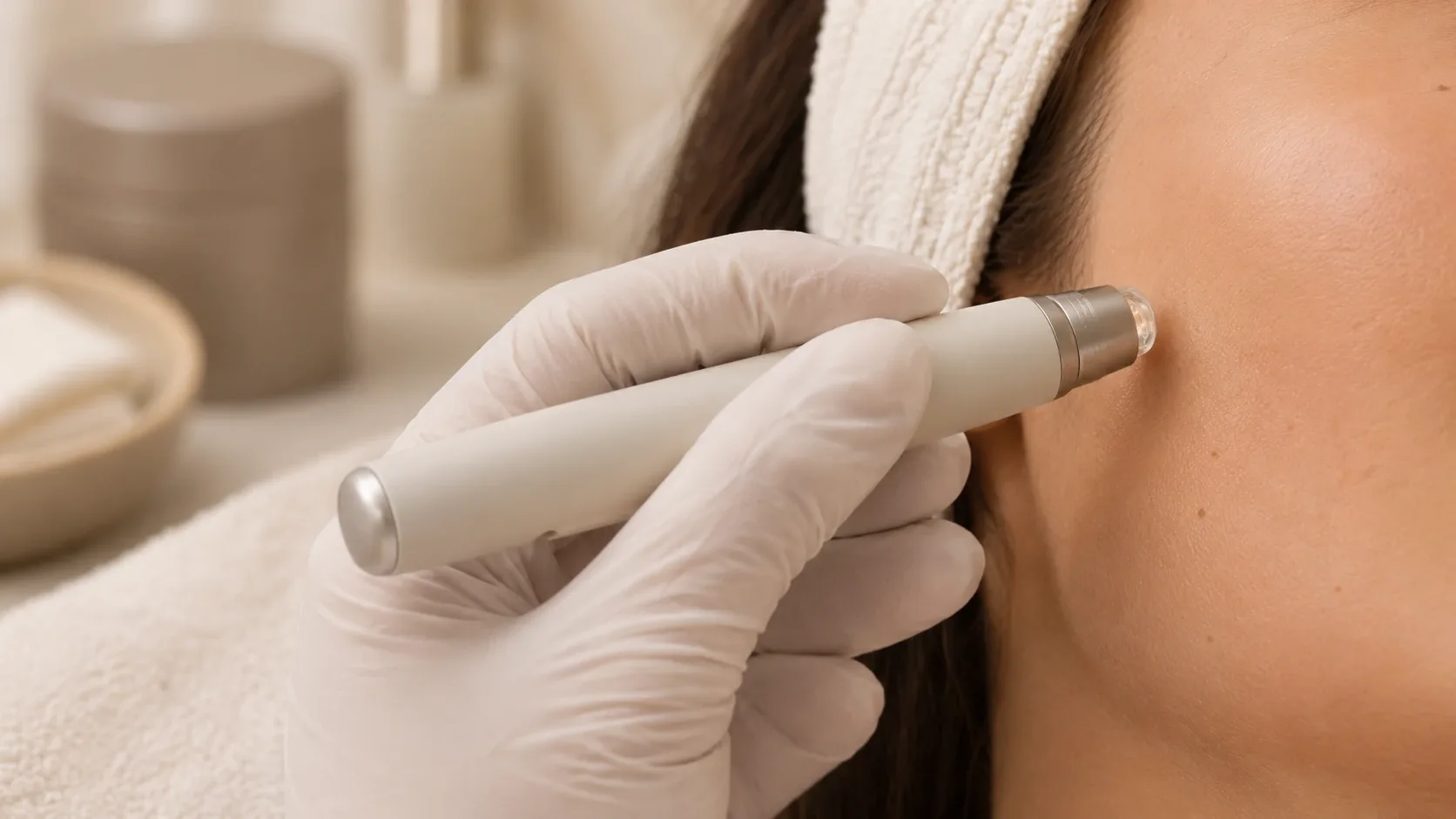
Ask the practitioner to explain the aim of the proposed treatment and the uncertainty around the outcome. You should understand what might change, what may remain and what a website photograph cannot predict. Our generated illustrations do not show actual client results.
If a phrase sounds vague, ask for a plain-language explanation. For example, clarify what the proposed plan means for your particular concern rather than relying on a general promise of improvement. You should also understand whether the plan involves further review or appointments.
Useful points to cover are:
- The purpose of the proposed approach.
- The limitations and possible risks.
- Alternatives, including not proceeding.
- Any further appointments or review arrangements.
- The information you need before deciding.
Take the time you need to consider the answers.
What should you know about aftercare arrangements?
Ask what personalised aftercare information you would receive and who would explain it. Also, ask how the clinic handles follow-up questions or concerns. You need to understand the support arrangements before treatment, rather than searching for a contact afterwards.
Do not use a general blog to choose a recovery routine or decide whether a symptom is normal. Instructions and advice should come through the appropriate clinical process. If you have a health concern, seek advice from a suitable healthcare professional rather than relying on promotional material.
Similarly, clarify any scheduling implications directly with the practitioner. A website cannot promise that every person can return to a particular activity at the same time. Individual circumstances and the proposed procedure matter.
How should you plan the journey to Finchley?
Confirm the appointment location before travelling. Our Finchley catchment information includes larger surrounding centres such as Watford, St Albans and Hatfield, with approximate driving estimates. However, those times cannot guarantee your arrival.
Allow for traffic, parking and the final walk. If you use public transport, check the complete journey to the confirmed venue rather than stopping the plan at a station. Also, consider whether any appointment instructions affect your travel arrangements.
Tell the team if you need to clarify access or arrival information. Keep your contact details and confirmation available so you can check the arrangements on the day.
What makes a useful consultation note?
Before enquiring, write a short description of your concern and a few questions you do not want to forget. Keep it focused on what would help you decide.
After the conversation, note what the practitioner proposed, the limitations explained and anything you still need clarified. If an important point remains uncertain, ask before agreeing to proceed. The aim is an informed decision, not simply completing a checklist.
Use the WhatsApp us button for an initial enquiry about a skin consultation in Finchley. Ask how the team wants you to share sensitive details through the proper consultation process, and keep the first message to the information needed to arrange that conversation.
Frequently asked questions
Can a website decide which skin treatment I need?
No. Individual suitability requires an appropriate consultation. General information cannot assess your circumstances.
Must I book treatment when I enquire?
You can begin by asking about consultation arrangements. Take time to understand the options before deciding whether to proceed.
Do the photographs show treatment outcomes?
No. The images are generated illustrations and do not show actual clients or results.